Counter-drone system to protect British bases
The Ministry of Defence is investing £240 million in Project PRESAGIUM, an enhanced counter-drone system intended to detect and defeat emerging drone threats.
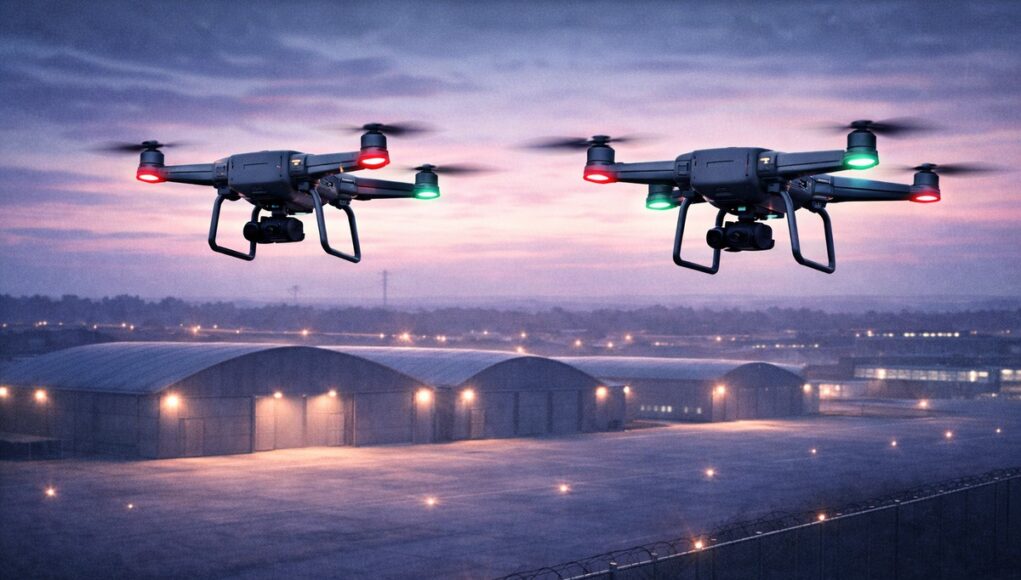
The Ministry of Defence is investing £240 million in Project PRESAGIUM, an enhanced counter-drone system intended to detect and defeat emerging drone threats, alongside a further £470 million to improve the security of military sites in the United Kingdom.
Louise Sandher-Jones, Parliamentary Under-Secretary and Minister for the Armed Forces, was responding to Stuart Anderson, the Conservative MP for South Shropshire, who had asked what steps have been taken to provide additional capabilities for the protection of bases and critical national infrastructure in crisis and in conflict.
She said the Strategic Defence Review committed the department to strengthening that protection, and that “Defence is investing an additional £470 million to improve the security of military sites in the UK” , work she described as supporting broader home defence planning to ensure the resilience of the country’s most important infrastructure.
On the counter-drone element specifically, she said: “Defence is investing £240 million in Project PRESAGIUM, an enhanced counter-drone system, providing effective detection and defeat of emerging drone threats.”
Alongside it, the department is growing and equipping the Reserves to support homeland defence tasks and enhancing capabilities to protect critical underwater infrastructure, with integrated air and missile defence capabilities to be prioritised against the assessed threat as part of the future Integrated Force.
The approach described rests on working out which infrastructure would matter most in a conflict before deciding what to defend. By contributing defence data to the Cabinet Office’s critical national infrastructure knowledge base, the minister said, the department is fulfilling commitments in the Resilience Action Plan and improving understanding of “the infrastructure, dependencies and vulnerabilities that would be most critical in a conflict scenario” .
That analysis is informing home defence planning by aligning defence resources against the most important infrastructure across a spectrum running from hybrid activity through to conventional conflict, and will also help identify what defence could contribute to protecting other priority infrastructure essential to the functioning of the country.
Britain has invested in counter-drone capability at bases before, including the deployment of systems at RAF Lakenheath and RAF Mildenhall, and the Royal Air Force Regiment holds responsibility for ground-based air defence of airfields.
Defence Secretary Wes Streeting was asked in the Commons this week what is being done to secure British manufacturing facilities, following a case in which a man was charged with offering to sabotage drone factories, and said he would not comment on operational details while confirming that threats to British assets are taken seriously.